Finding Inspiration: Elizabeth Catlett
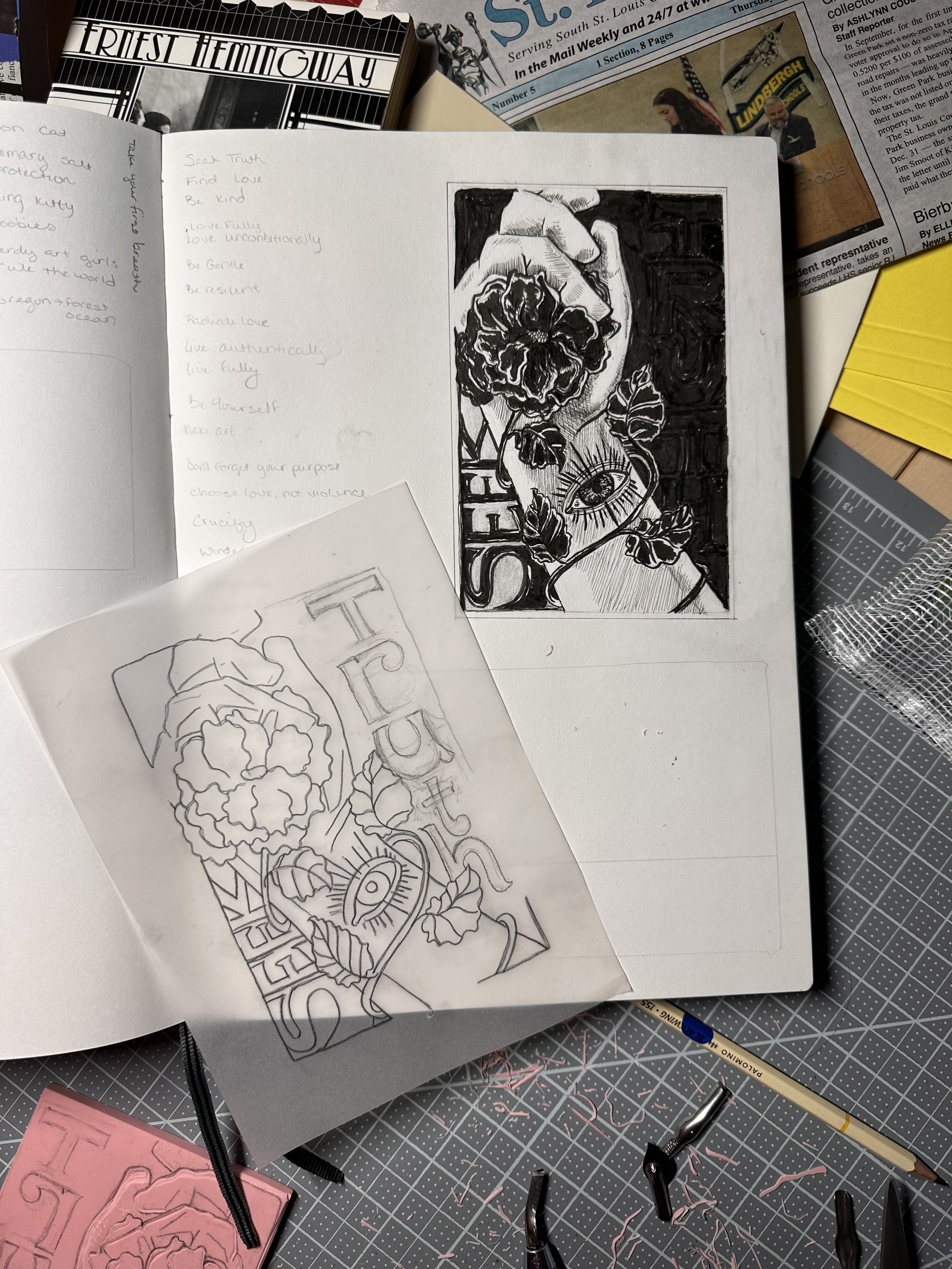
Seek Truth, by Jasmine Quintana, in progress linocut design, 2026
I designed the idea in my sketchbook and used tracing paper to make alterations and transfer it onto the linoblock for carving.
I’m going to be honest, I’ve been struggling. Being an artist—being a human, for that matter—is complex and comes with an entire bag of psychological mayhem. Inspiration comes in waves and sometimes struggles to find oxygen.
You know the idea that an artist sits down at their easel, their Muse gently guiding them and poof, magic instantly happens? I hate to break it to you but that idea is completely false. Being an artist (at least this artist) comes with anxieties, a hefty dose of imposter syndrome, and an ADHD brain. Needless to say, I’m struggling—and have been for a hot minute.
But it’s time to shake off the funk.
The questions I began asking myself were: What is it that I want to do? Where do I want to go with it? How do I get there? And many others that have earned me the heavy label of “chronic overthinker.”
And well, that’s a head scratcher. How to find inspiration in a world where we are constantly being bombarded with… well you name it? It’s definitely hard work to remain creatively inspired.
I’ve started with some basics: Finding play again. Making marks in my sketchbook that don’t have to add up to anything. Taking the pressure off by removing the stress of “Will anyone like this?” or “Will it make money?”
Then I realized that the desire to constantly learn and grow was essential to me too. I need the challenge of taking in new information and pushing myself forward. So, on top of dusting off my old Duolingo account, I began creating my own personal curriculum—I’m sure many of you have seen the trend.
Subject number one: Art Stories.
The art historical canon has so much to teach us; not just about being artists, but about how to communicate ideas, to record history, to capture life. Some of my explorations will take me on familiar paths—brushing up or diving deeper into artists, techniques, or eras that I know and love—and others will be new discoveries.
So, as I find my way, I thought I would share parts of my journey into “Art Stories.” I will try to keep these posts informative, inspiring, and with just enough information that if you, dear reader, wish to learn more, can take your own “Art Stories” adventure. And I encourage you to. You never know where you will find yourself.
Now, on with the post.
And if you haven’t met her, I’d like to introduce you to, Elizabeth Catlett.
“I, a Black woman artist, have been invisible in the art world for years.” -Elizabeth Catlett, in a NPR interview in 2003
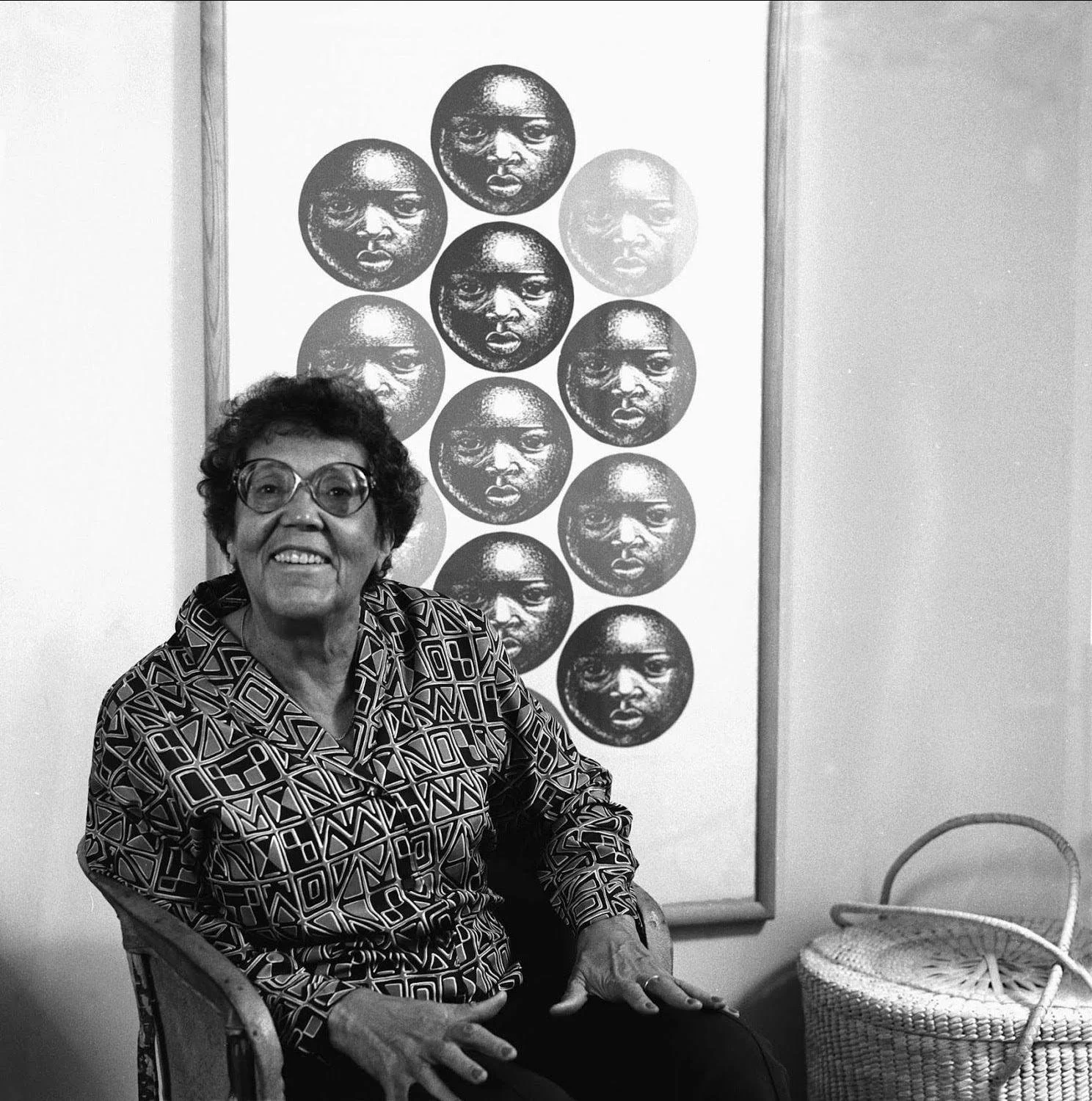
Photo of the artist by Fern Logan, source: Columbia Museum of Art
Elizabeth Catlett (a.k.a Alice Elizabeth Catlett and Elizabeth Mora)
April 15, 1915 —April 2, 2012 ( born in Washington DC and died at the age of 96 in her home in Cuernavaca, Mexico)
Granddaughter of enslaved people
Dual Mexican/American citizen
Painter, printmaker, and sculptor—six decade career!
Social activist and feminist. Addressed gender and social injustices and portrayed the black-female experience in a lot of her works. Fought for change and civil rights.
The U.S.’s first Black woman to earn an MFA degree
Artist Connections (because I find it interesting): Grant Wood was an early mentor (1938-1940) and told her to create art “about something that you know the most about.” Inner circle also included Langston Hughes, Ralph Ellison, Diego Rivera, Frida Kahlo
Politically exiled from America during the “Red Scare” when she refused to testify. Clinton administration restored her citizenship.
Became a Mexican citizen when married Francisco “Pancho” Mora
2003 received the International Sculpture Center’s Lifetime Achievement in Contemporary Sculpture Award
“I have always wanted my art to service Black people—to reflect us, to relate to us, to stimulate us, to make us aware of our potential.” -Elizabeth Catlett
A great little video by the Brooklyn Museum of Catlett discussing her approach to creating art in service of her people:
“Elizabeth Catlett: A Black Revolutionary Artist and All That It Implies” by The Brooklyn Museum
Some of my favorite works by Catlett so far:
(It was hard to chose and I could have easily added more. I encourage you to look up her work and be awed by the beautiful portfolio she has built. There are so many!)
Words used to describe her work: abstract, figurative, modern, bold, powerful, emotional, striking, voluptuous, dynamic, pioneering… and the list goes on.
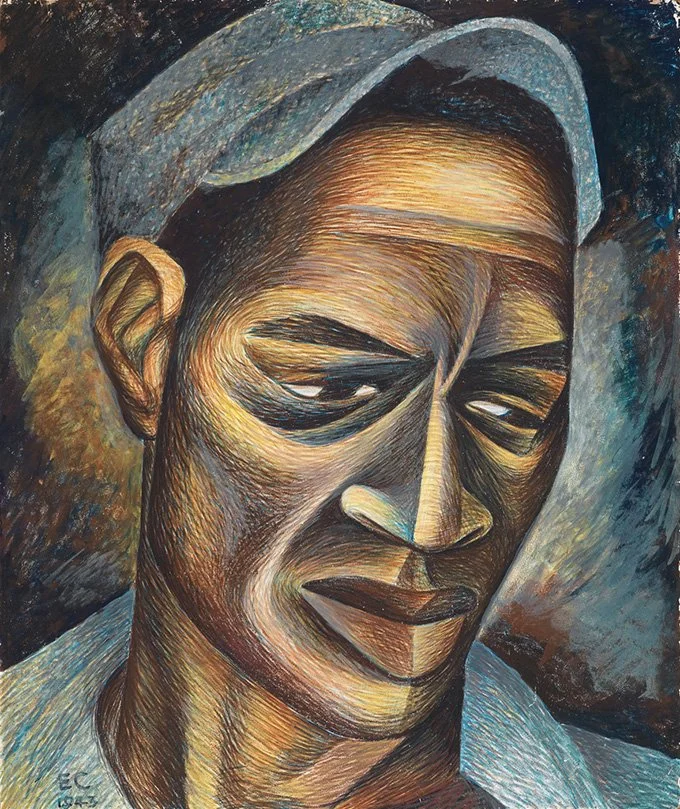
War Worker, 1943, tempera on paper mounted on masonite
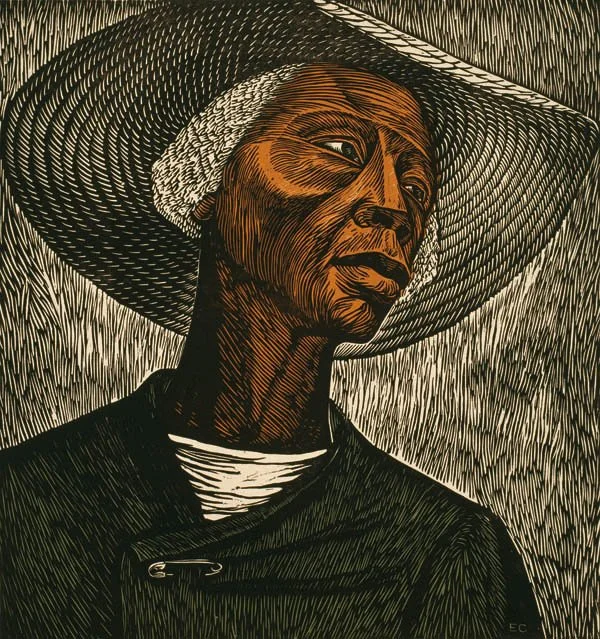
Sharecropper, 1952, linocut
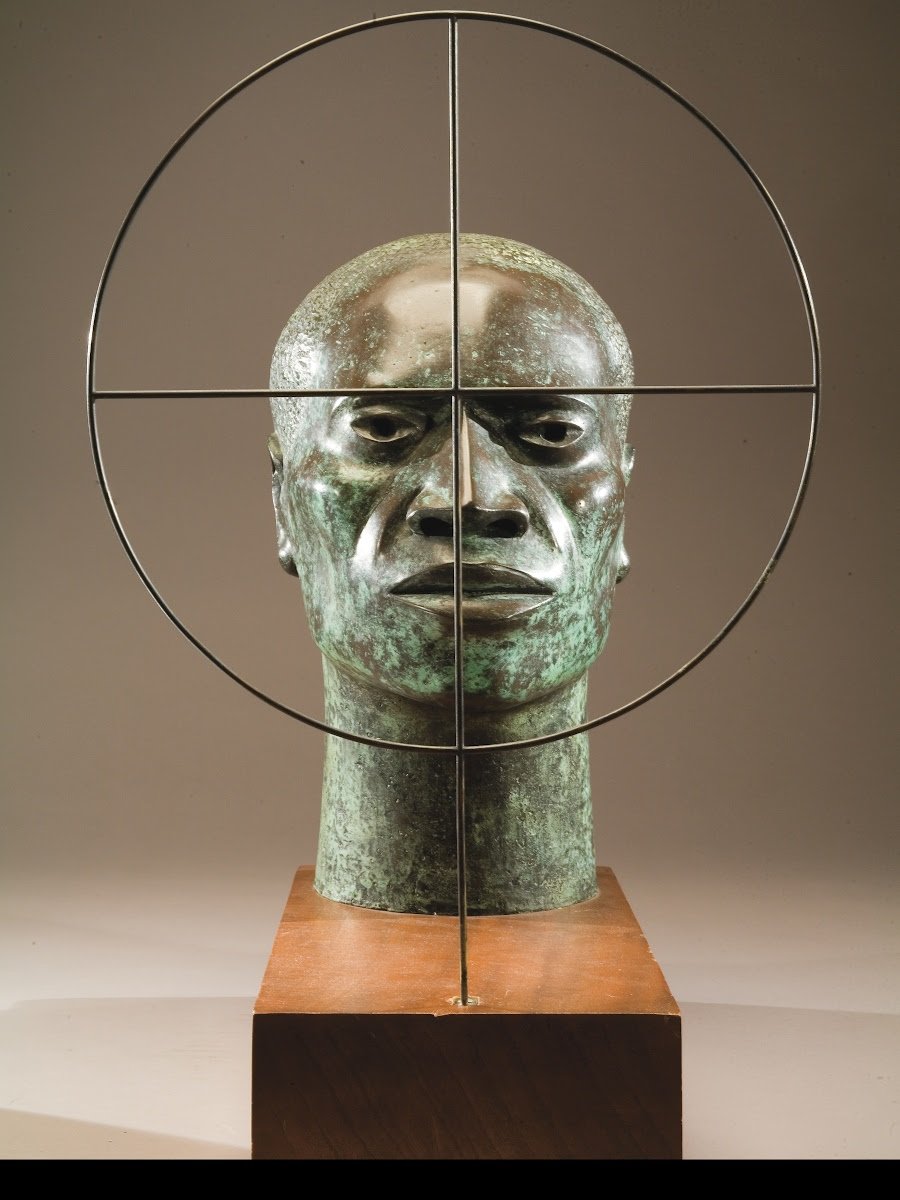
Target Practice, 1970, bronze on wood
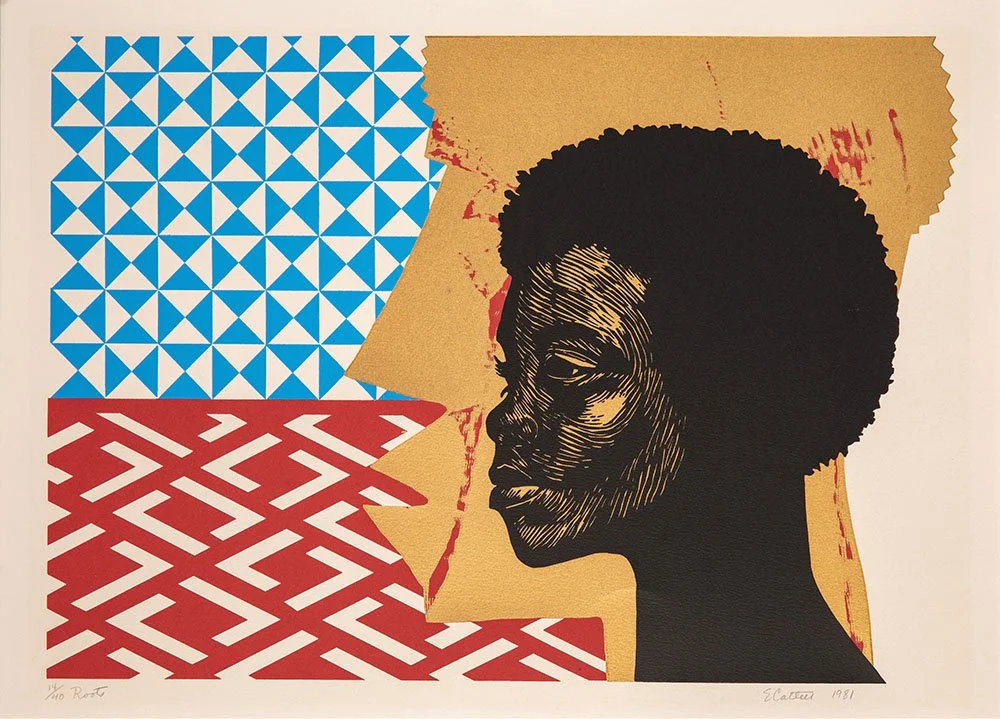
Roots, 1981, linocut and colored ink on wove paper
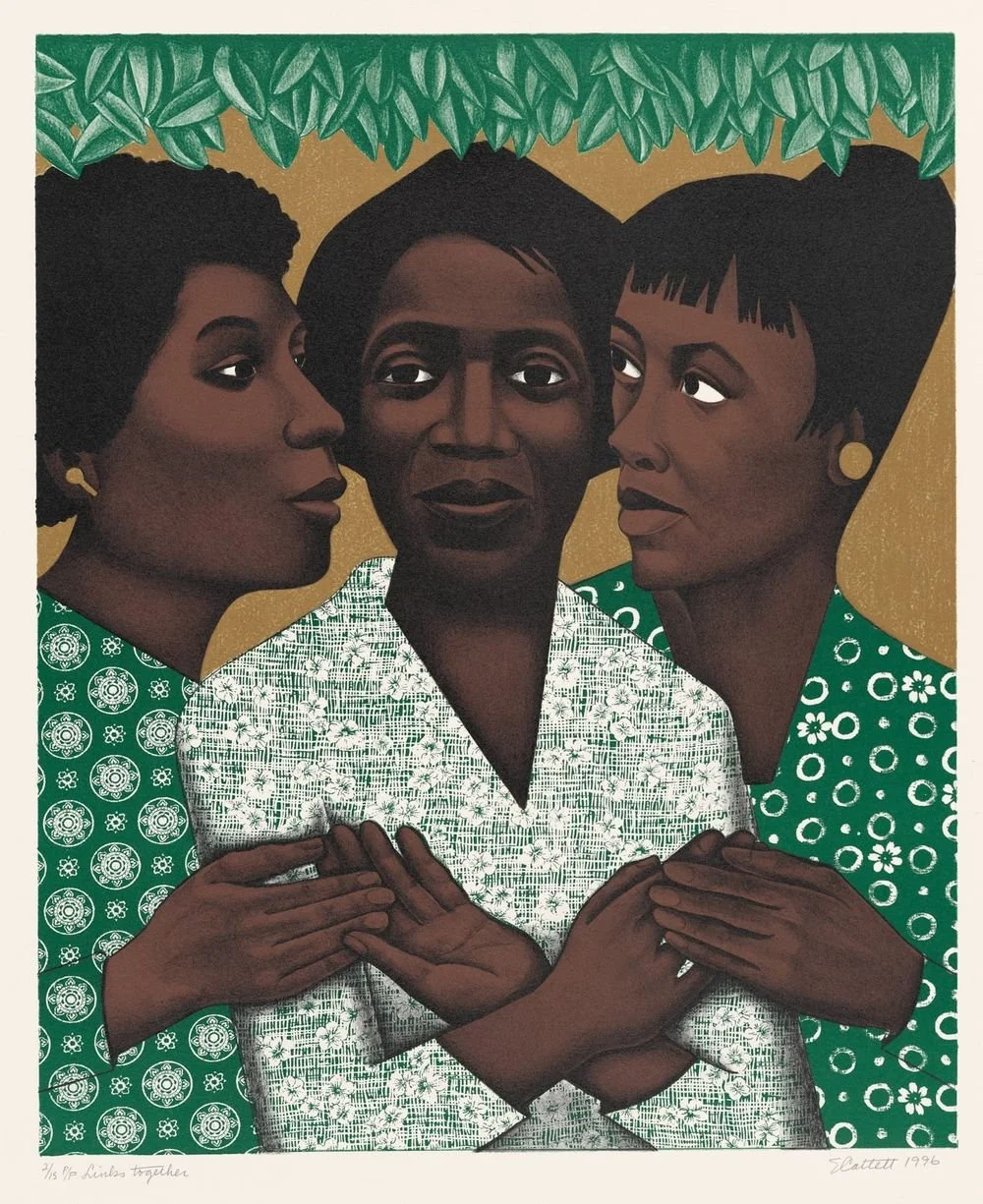
Links Together, 1996, lithograph on wove Arches paper
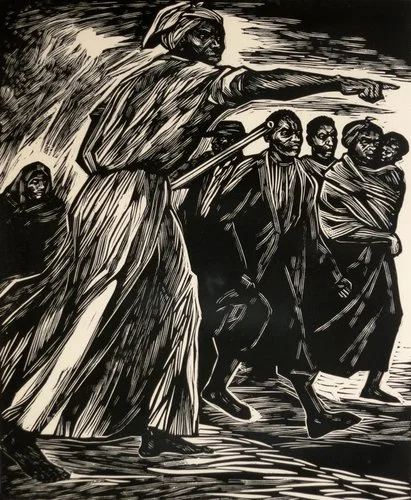
Harriet, 1975, linocut
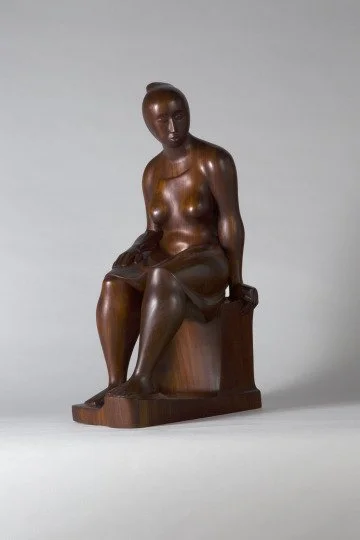
Seated Figure, 1962, mahogany
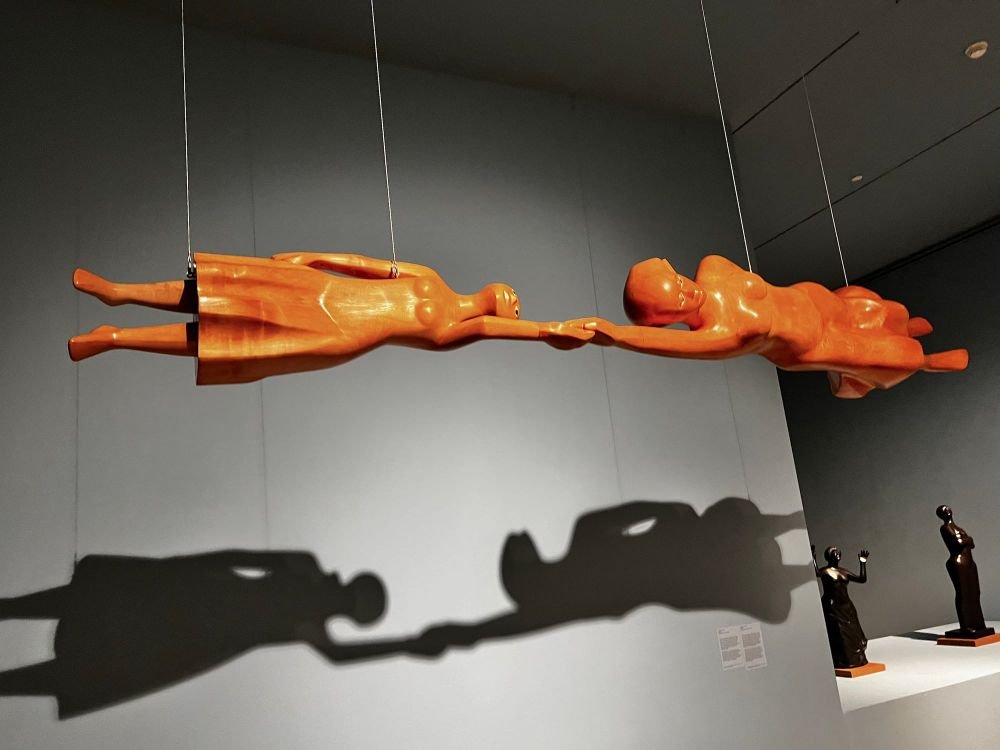
Floating Family, 1995-1996, Mexican primavera wood tree trunks
Further Reading List
This was just a snippet of Catlett’s story. Check out the articles below to learn more!
Sculpture Magazine (fantastic interview with Catlett):
https://sculpturemagazine.art/form-that-achieves-sympathy-a-conversation-with-elizabeth-catlett/
National Museum of African American History and Culture:
https://nmaahc.si.edu/latinx/elizabeth-catlett
The Amon Carter Museum of American Art:
https://www.cartermuseum.org/blog/elizabeth-catlett-multiple-identities-art-and-life
The Lantern Network:
National Gallery of Art:
https://www.nga.gov/stories/articles/who-elizabeth-catlett-12-things-know